
<img height="1" width="1" src="https://www.facebook.com/tr?id=1582471781774081&amp;ev=PageView &amp;noscript=1">

The Gold Standard for
Translational Oncology

Patient-derived xenograft (PDX) models preserve patient tumor heterogeneity and deliver predictive power you can trust. Crown’s 3,000+ models, including pretreated, resistance, and humanized platforms help you mitigate clinical risk.

Why Lean on PDX? 

It’s not just the models, it’s the ecosystem: pretreated cohorts reflecting today’s therapies, humanized immunity for IO, paired PDXO organoids for rapid screens, ex vivo patient tissue assays, PDX-derived cell lines, mouse clinical trial designs for population-scale answers, and Multi-Model Search to pick the right models. With Crown’s PDX models, you can:

  • Model drug response across heterogeneous patient subtypes
  • Discover and validate predictive biomarkers
  • Build resistance models reflecting real-world therapy failures
  • Combine with human immune reconstitution (humanized PDX) to evaluate immunotherapies

Translational Breadth

All the ways Crown’s PDX work for you

Pretreated Models
Pretreated Models
Model Today’s Clinic, Not Yesterday’s Lab

Utilize 500+ pretreated PDXs, including those derived from patients who relapsed or had resistance to ICIs, KRASi, EGFRi, PARPi, CDK4/6i, BTKi, plus a new “clinically aligned” set with multi-line treatment histories and metastatic disease.

Humanized PDX Models
Get Immune Context for IO Testing

Humanized PDX combines patient tumors with human immune reconstitution through HSC engraftment for multilineage systems, PBMC for rapid T/NK assays, or human knock-in models for target-specific evaluation.

Translate In Vitro
PDXO Models
Translate In Vitro

Leverage more than 500 PDXO–PDX pairs to scale early screening, then confirm findings in vivo with matched PDX. Accelerate discovery while preserving translational accuracy.
Orthotopic Models
Orthotopic Models
Explore Clinically
Relevant Sites

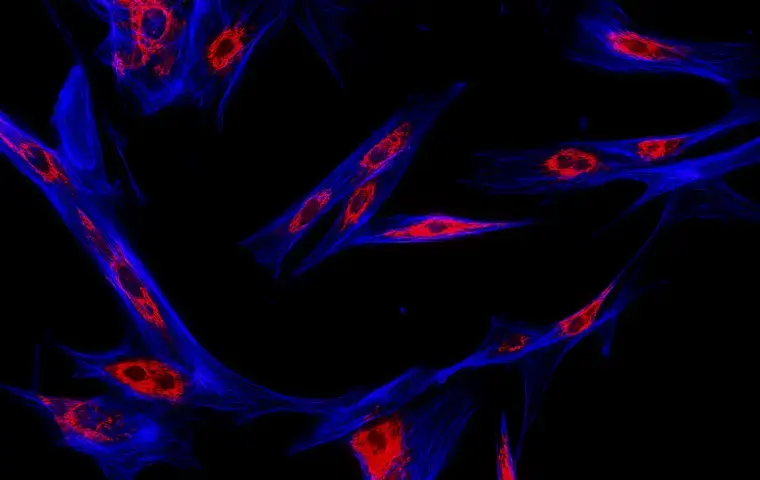
Orthotopic PDX places tumors in their tissue of origin, capturing stromal interactions and metastatic spread. These models allow you to study drug penetration, tumor growth, and therapy response in settings that mirror the clinic. 

Mouse Clinical Trials
Get Population
Scale Insights

Crown Bioscience’s MCTs stratify responders, identify predictive biomarkers, and uncover resistance patterns at scale. With advanced bioinformatics and human/mouse signal deconvolution, you gain a data-rich platform for biomarker-driven development.

Model Drug Resistance Trajectories
Develop models of acquired and de novo resistance using PDX. Treat PDXs through repeated cycles, or derive from patients post-resistance, to identify mutation patterns, bypass pathways, antigen escape, and test rescue combinations.
Model Drug Resistance Trajectories
Centralized Cancer Model Repository
World's Largets PDX Database
Crown’s PDX models enable you to:
  • Find your interest based on genetic background and response to treatment.
  • Start mouse clinical trials immediately with our PDX model collection, consisting of colorectal, esophageal, gastric, head and neck, liver, lung, ovarian, pancreatic cancer, melanoma, sarcoma, and more.
  • Discover a PDX model for underrepresented indications, including GIST and prostate cancer.
  • Use ALL and AML stable PDX models with typical leukemia symptoms and eventual mortality, truly representative of the human condition.
  • Progress your targeted therapy with a unique model of specific disease pathways such as RET, ALK, EGFR, MET, IDH, RSPO, and HER2.
  • Start your study without delay across our global operational sites.


Solid and Liquid Tumors
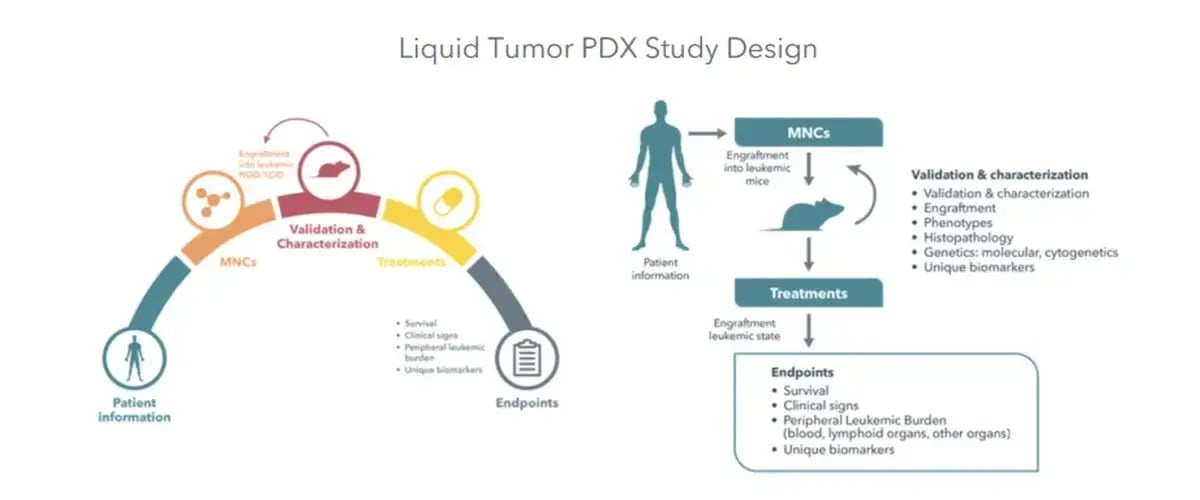
Our PDX collection is unmatched in scale and depth. Beyond solid tumors, we provide a comprehensive liquid tumor platform including AML, ALL, CML, lymphomas, and myeloma. Each model is annotated with genetic and treatment histories, giving you the power to stratify studies by clinically relevant variables.
Model Drug Resistance Trajectories
Centralized Cancer Model Repository
World's Largets PDX Database
Crown’s PDX models enable you to:
  • Find your interest based on genetic background and response to treatment.
  • Start mouse clinical trials immediately with our PDX model collection, consisting of colorectal, esophageal, gastric, head and neck, liver, lung, ovarian, pancreatic cancer, melanoma, sarcoma, and more.
  • Discover a PDX model for underrepresented indications, including GIST and prostate cancer.
  • Use ALL and AML stable PDX models with typical leukemia symptoms and eventual mortality, truly representative of the human condition.
  • Progress your targeted therapy with a unique model of specific disease pathways such as RET, ALK, EGFR, MET, IDH, RSPO, and HER2.
  • Start your study without delay across our global operational sites.


World’s Largest PDX Database
Investigate treatment data with more than 3,000 highly characterized PDX across 30+ tumor types. You will find extensive characterization data including histology, growth kinetics, WES/RNA-seq, whole exome sequencing, and SoC
Model Drug Resistance Trajectories
Centralized Cancer Model Repository
World's Largets PDX Database
Crown’s PDX models enable you to:
  • Find your interest based on genetic background and response to treatment.
  • Start mouse clinical trials immediately with our PDX model collection, consisting of colorectal, esophageal, gastric, head and neck, liver, lung, ovarian, pancreatic cancer, melanoma, sarcoma, and more.
  • Discover a PDX model for underrepresented indications, including GIST and prostate cancer.
  • Use ALL and AML stable PDX models with typical leukemia symptoms and eventual mortality, truly representative of the human condition.
  • Progress your targeted therapy with a unique model of specific disease pathways such as RET, ALK, EGFR, MET, IDH, RSPO, and HER2.
  • Start your study without delay across our global operational sites.


Model Drug Resistance Trajectories
Centralized Cancer Model Repository
World's Largets PDX Database
Crown’s PDX models enable you to:
  • Find your interest based on genetic background and response to treatment.
  • Start mouse clinical trials immediately with our PDX model collection, consisting of colorectal, esophageal, gastric, head and neck, liver, lung, ovarian, pancreatic cancer, melanoma, sarcoma, and more.
  • Discover a PDX model for underrepresented indications, including GIST and prostate cancer.
  • Use ALL and AML stable PDX models with typical leukemia symptoms and eventual mortality, truly representative of the human condition.
  • Progress your targeted therapy with a unique model of specific disease pathways such as RET, ALK, EGFR, MET, IDH, RSPO, and HER2.
  • Start your study without delay across our global operational sites.


Frequently Asked Questions

How are PDX studies integrated with biomarker and omics platforms?

PDX studies are supported by genomics, transcriptomics, proteomics, immune monitoring, spatial biology, and bioanalytical platforms. These multiomic readouts are tailored for xenografts with human/mouse deconvolution, providing decision-grade translational data for biomarker discovery and patient stratification.

How quickly can a PDX study start?

Timelines depend on whether the model is available in a “warm” state or requires revival. Warm models can often be initiated within weeks, while reviving frozen models or creating new xenografts may take several months.

How are PDX models used in ADC development?

PDX supports ADC workflows by validating targets, assessing efficacy across patient-like cohorts, and modeling resistance mechanisms such as antigen loss or transporter overexpression. They also enable comparator studies against standard-of-care agents like Pluvicto or EBRT.

Can PDX be combined with organoids in the same program?

Yes. Programs often begin with organoids (PDXO) for scalable high-throughput screens, then transition hits into matched in vivo PDX for validation. This pairing reduces timelines, lowers animal use, and maintains translational power.

How well do PDXs represent patient diversity?

Large PDX libraries capture genetic, histological, and therapy-exposure diversity across global populations. While no single library can fully replicate real-world demographics, scale and careful curation provide a robust spectrum of patient variability.

Start Your PDX Study Today

Ready to design your next study with PDX? Tell us about your research needs and a Crown Bioscience scientist will help you select the right models, platforms, and services to ensure your therapy will succeed.

Contact Us