Progress your Lead Compound to Validated Candidate
With our Expanded Cancer Cell Panel Screening Service

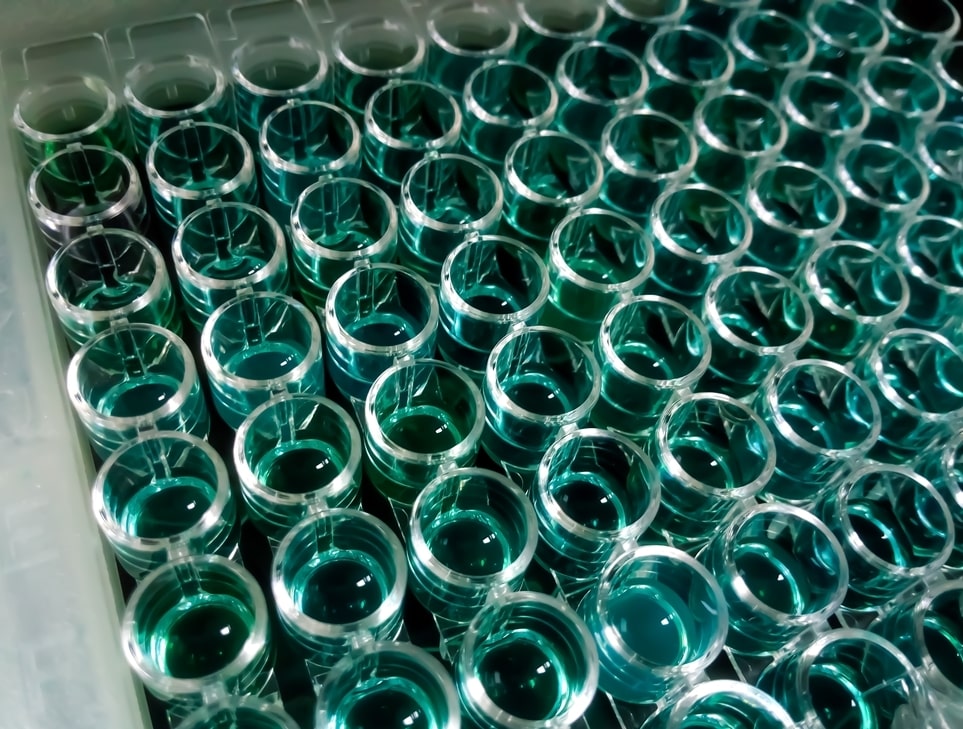
Choose from 643 cell lines across 30+ cancer indications, with scientist-led selection based on cancer type, molecular profile, pharmacology and matched in vivo availability.

Reduce uncertainty with in-house WES, RNA-seq and proteomics covering 98%, 93% and 95% of lines, directly linked to the models used for screening and response interpretation.

Backed by rigorous quality standards and a decade of proven reproducibility, our screening platform delivers reliable data to guide critical drug-development decisions. In a retrospective analysis spanning 62 independent experiments, 96.8% of paired reference-compound potency measurements agreed within 3-fold.

Carry promising findings forward with 317 cell lines linked to xenograft models, plus 3D, ex vivo and in vivo resources for focused efficacy and mechanistic validation.
Tailor Your Screening Strategy to Your Science

Build a panel across tumor types or focus on specific molecular subgroups, Scientist curated selection based on indication, in-house molecular profiles and historical reference pharmacology to match your question.

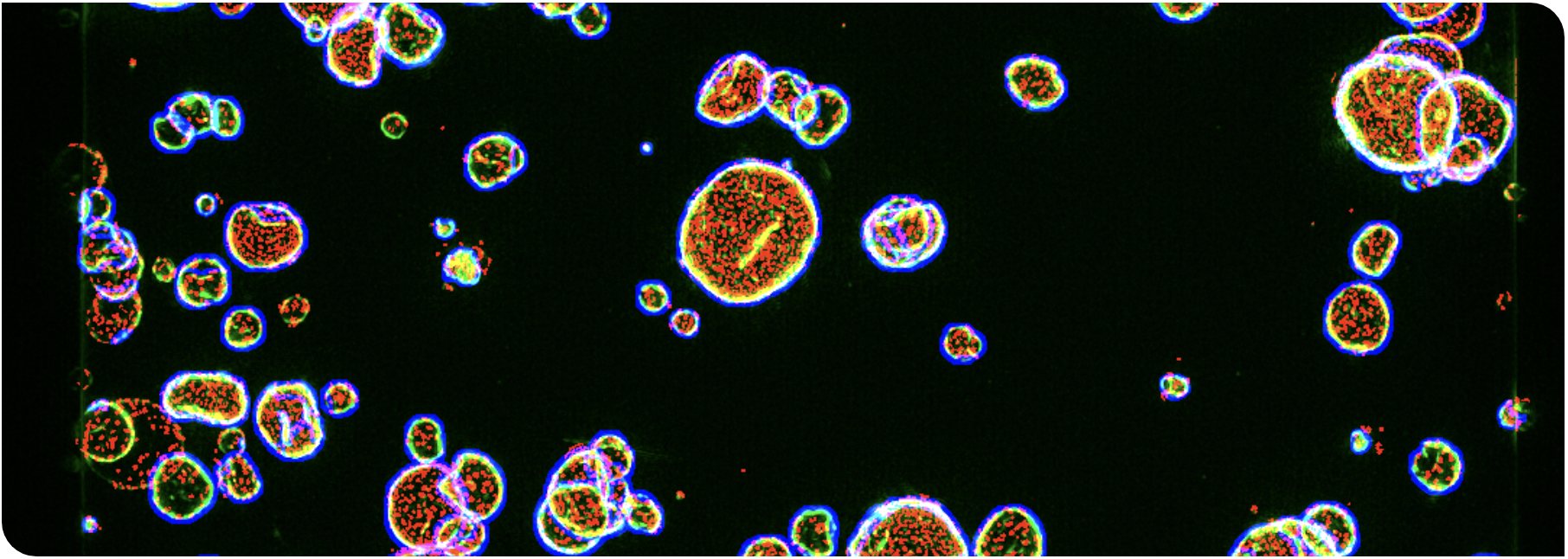
Select the screening format that fits your science: 2D or 3D cell-line assays, standard or extended treatment durations, single-agent or combination designs, multiple compound modalities and mechanism-relevant readouts.

Combine in house multi-omics, pharmacology, historical SOC/reference data and pharmacogenomics to identify sensitive populations and resistance patterns.

Advance prioritized compounds into focused mechanistic and efficacy studies using matched xenografts, patient-derived models and ex vivo systems to validate and extend your screening findings.
Build onto Your Screening Results
With Next Stage Discovery Services

Translate screening results into predictive and pharmacodynamic biomarkers using Crown’s multiomics, bioinformatics, spatial biology and digital pathology capabilities across preclinical and clinical programs.

~50% of cell panel screening models have corresponding xenografts, creating an efficient route to in vivo efficacy, PK/PD, biomarker and resistance studies using matched models.

Investigate prioritized screening hits through targeted functional assays, pathway analysis and gene perturbation studies to characterize drug activity, target dependence and resistance mechanisms.

Evaluate prioritized compounds in more complex in vitro and ex vivo tumor models, including patient-derived organoids (PDO/PDXO), ex vivo patient tissue (EVPT), and 3D bone marrow niche (BMN) models, to further characterize drug activity and strengthen the translational relevance of screening findings.
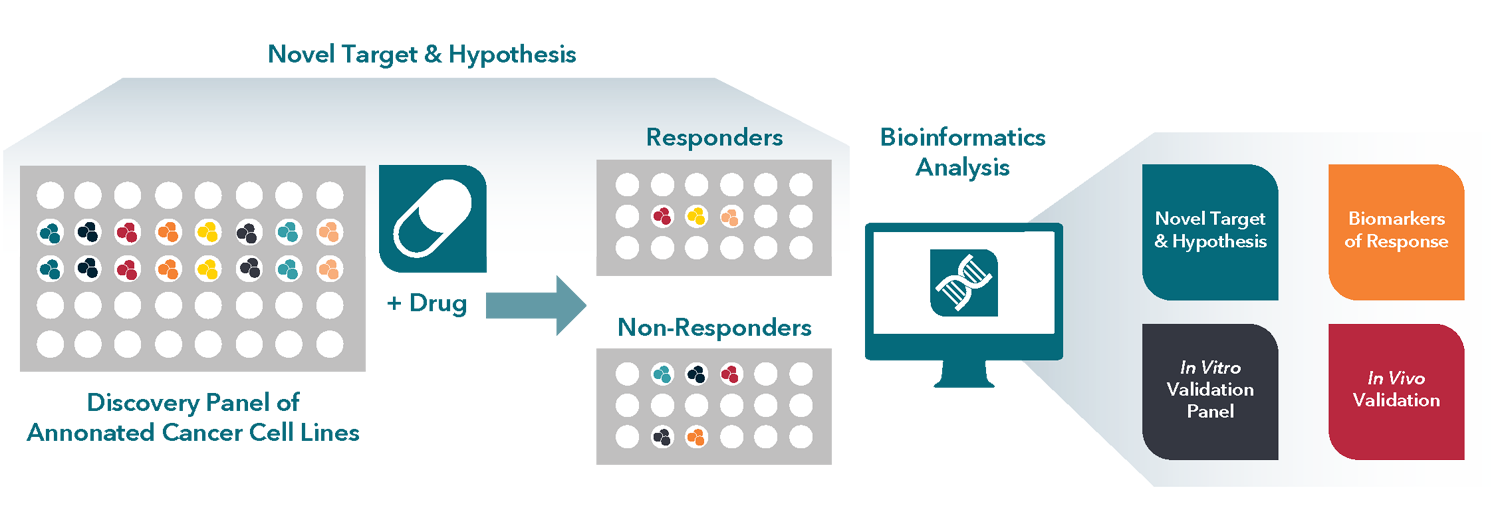
Cancer Cell Panel Screening: Crown Bioscience’s Large-Scale Cell Line Screening Panel Platform