
DMPK Services
An integrated platform to support drug discovery and development from early stages to IND submission
Crown Bioscience provides industry-leading Drug Metabolism and Pharmacokinetics (DMPK) and Absorption, Distribution, Metabolism, and Excretion (ADME) services designed to streamline your drug discovery and drug development process. The results from DMPK/ADME studies early in the drug discovery process will allow you to determine compound efficacy, drug interactions, and toxicology assessments, among many other findings. Our comprehensive in vitro and in vivo solutions deliver accurate, reliable data to help you make informed decisions and achieve regulatory success early so you can move from preclinical studies to clinical trials with confidence.
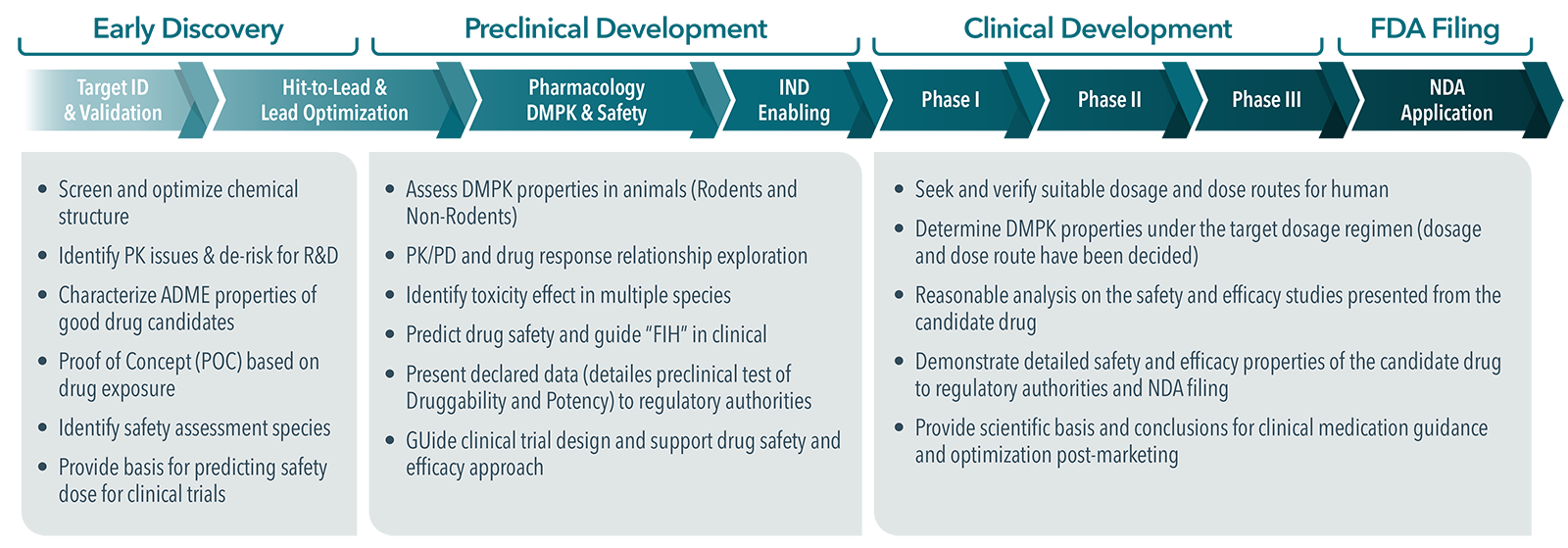
Stages of DMPK from Early Drug Discovery to FDA Filing
DMPK analysis is crucial at every step in the drug discovery process, from in vitro to in vivo. Our DMPK/ADME offerings have a proven success rate assisting clients starting with early drug discovery.
Available DMPK and ADME Services
Our non-GLP DMPK services are available as an integrated drug discovery platform or a standalone service, and include cutting-edge LC-MS/MS and HPLC technologies alongside ELISA-based and MSD assays.
- Physicochemical property (solubility and stability)
- Matrix stability (plasma/serum/WB, tissue, and buffer)
- Plasma protein binding (Distribution)
- Metabolic stability (Liver microsomes, S9, hepatocytes)
- Caco-2 permeability and transporter
- Red blood cell distribution
- Full animal FK: Mouse, Rat, *Dog, *NHP
- Administration Routes: IV, PO, SC, IM, IP. IT etc.
- Dose Strategies: Single, multiple and cassette dosing
- Serial blood microsampling
- Tissue distribution
- Pre-formulation screening
- PK/PD
- MTD & Tolerability
- WinNonlin for PK parameters (Half-life, AUC, Cmax, Vd, etc)
Large molecule
- Immunoassays method development and validation
- Proteins, antibodies, ADCs, and peptide drugs
- Immunogenicity test(ADA)
Small molecule and NCE
- Method development & validation in various biological samples
- Compounds, PROTACs, Oligo, Amino acids, etc
ADC
- Total antibody(Tab), ADC, Conjugated payload, Free payload
- DAR(Drug to Antibody Ratio)
- In Vivo tox (single, repeat, dose escalation studies
- Toxicokinetics (TK)
- Humanized genetically modified mouse models for target-specific biologics toxicity (mAb, BiTE)
- Histopathology
- Hematology: CBC, blood chemistry
- Urinalysis
- Immune-phenotyping (FACS/IHC)
- Cytokine (inflammatory biomarkers)
- Immunogenicity (ADA)
- Tissue cross reactivity (TCR)
- ADC/Payload toxicity
Choose Crown Bioscience for your drug discovery DMPK/ADME studies
Crown Bioscience is the premier Contract Research Organization (CRO) choice for DMPK/ADME studies for many reasons. Our comprehensive services enable rapid evaluation of pharmaceutical and safety properties, facilitating the selection of robust drug formulations and optimization of drug discovery and preclinical development strategies. Combined with our team’s scientific expertise, agility, and preparedness, your project will be successful throughout the drug discovery process.
Comprehensive DMPK Services
We offer a wide array of in vivo pharmacokinetic (PK) services for both small and large molecules. Services include:
- In Vivo PK Studies: Utilizing various species and administration routes.
- Bioanalysis: Eploying advanced technologies such as LC-MS/MS and HPLC, alongside ELISA-based and MSD assays, for accurate quantitation of parent compounds and metabolites.
- Additional Services: Including method development and validation, dosing solution analysis, tissue distribution studies, excretion assays, and maximum tolerated dose (MTD) determination.
From Bench to IND: Critical DMPK and Toxicology Insights for Oncology Teams
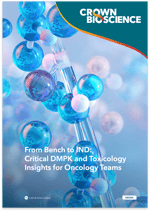
This eBook provides oncology researchers with practical frameworks to de-risk programs and accelerate development. Use the actionable strategies to anticipate and overcome common challenges.
DMPK Capabilities and Services
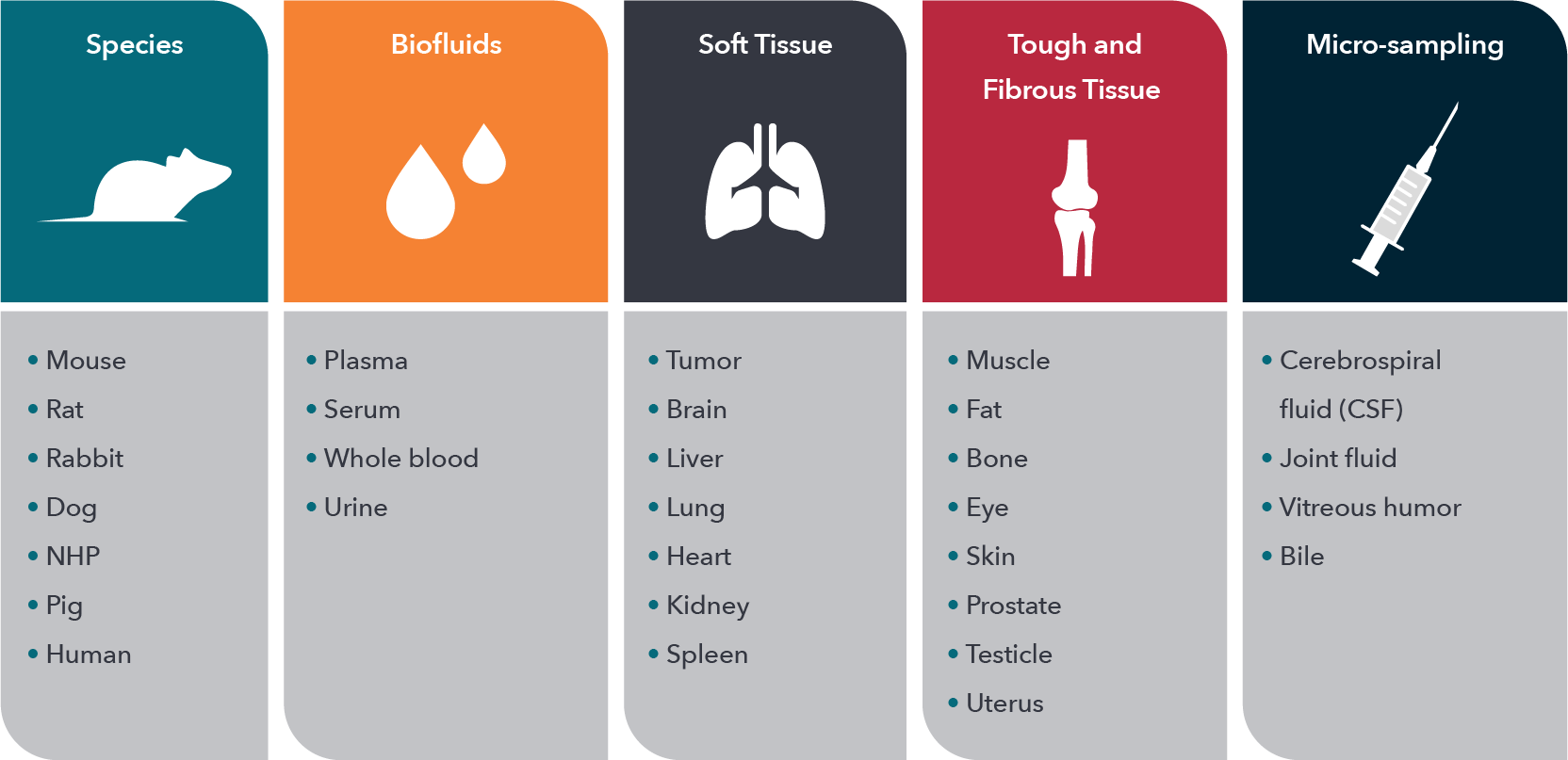
- Samples from various species (mouse, rat, rabbit, dog, NHP, pig, human)
- Various administration routes (i.v., p.o., i.p., s.c., i.m.)
- In vivo PK study design
- Single, multiple, and cassette dosing PK
- In vivo crossover studies for bioavalibility (F)
- Plasma protein binding
- Histology and pathology expertise and sample preparation
- Serial blood collection over 24 hours
- PK tissue distribution and mass balance
- Excretion assays
- Maximum tolerated dose (MTD)
- Method development and validation
- Quantitation analysis (parent compound, metabolites)
- Dosing solution analysis
- Various biological sample analysis (blood, plasma, bile, urine, feces, tumor tissue, etc.)
Species and Tissues
Our Analytical Equipment

Expertise and Quality Assurance
With a team of experienced scientists and extensive in vivo expertise, Crown Bioscience ensures high-quality data through rigorous quality assurance systems. Our global presence, with biomarker and bioanalysis laboratories across North America, Europe, and Asia, allows us to customize services to meet specific research and drug development needs.
Integrated Solutions
Beyond DMPK services, Crown Bioscience provides a broad spectrum of integrated solutions, including preclinical research services, translational platforms, and clinical trial support. This integration allows for seamless progression from early drug discovery through to clinical development.
Our Customers Love Us
We are proud to boast the best Customer Experience in the Industry, explore our data below.
Discuss Your DMPK Project
FAQs
DMPK (Drug Metabolism and Pharmacokinetics) and ADME (Absorption, Distribution, Metabolism, and Excretion) are closely related concepts in pharmacology and drug development, but they differ in scope and focus. DMPK refers to the study of how a drug is metabolized (broken down) and how it moves through the body (pharmacokinetics).
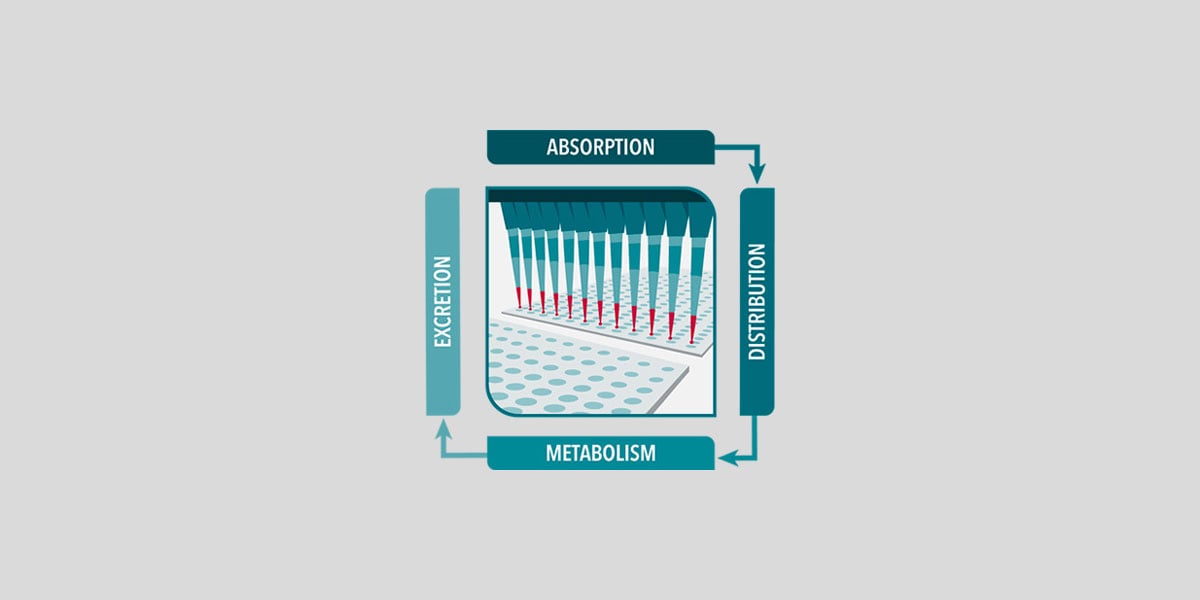
ADME (Absorption, Distribution, Metabolism, and Excretion) describes the four core processes a drug undergoes in the body:
- Absorption: How a drug enters the bloodstream (e.g., through the gut or skin).
- Distribution: How the drug spreads to tissues and organs.
- Metabolism: How the drug is chemically altered, primarily in the liver.
- Excretion: How the drug and its metabolites are eliminated from the body (e.g., urine, feces).
DMPK involves designing experiments and models to predict and optimize a drug's pharmacokinetics and metabolism. It helps determine dosing, drug formulation, and safety profiles.
ADME forms the foundation of understanding drug behavior but doesn't typically include the broader kinetic modeling or systemic interactions studied in DMPK. DMPK and ADME studies are performed throughout the drug development process. In vitro studies are often used to screen a large number of compounds, while in vivo studies are often performed later in development. In vivo studies can help identify areas of concern, such as low absorption or high clearance.
DMPK/ADME studies are critical in drug development as they provide insights into how a drug behaves in the body. These studies ensure that the drug reaches its intended target at the right concentration, has minimal side effects, and is effectively cleared from the system. By understanding these properties, researchers can optimize drug efficacy, safety, and dosing regimens, reducing the risk of late-stage failures in clinical trials.
We provide a one-stop and innovative DMPKT service for small molecule, therapeutic antibody, ADC as well as novel drug modalities from early discovery to IND submission during drug development.
As a comprehensive DMPK service provider, we established extensive capabilities which are including:
- In vitro ADME/In vivo PK/Bioanalytical science/ADC and new modalities DMPK/Toxicity
- Competitive throughput, TAT and price for service offering
By leveraging our current core platforms/expertise (PDX, PDO, in vitro, biomarker), we offer integrated solutions for pharmacokinetics and pharmacodynamic to support preclinical pharmacology research.
- Dose-response relationship: The effects of a substance at varying doses is analyzed against the desired pharmacological response, evaluating the optimal dose range, in turn determining if the drug achieves the required therapeutic outcome.
- Effective dosage range: PK/PD studies will aid in identifying the therapeutic range of the drug or substance, contributing to the optimization of dosing regiments, and lowering the risk of adverse effects.
- Identifying Biomarkers: Specific biomarkers will be identified, indicating the efficacy and safety of the substance, these biomarkers can be used to monitor responses during clinical trials, streamline the development of drugs, and personalize treatment approaches.
- Interactions between substances: The pharmacodynamic interactions between the target drug and other substances can be assessed, allowing the development of drug combination strategies, along with predicting potential adverse effects, and optimizing therapeutic regimens.
- Predictive modelling: Development of predictive models that will simulate the drug’s effect in different scenarios, helping forecast drug responses, optimizing dosing strategies, and informing decisions throughout the development process and clinical trial design.
Yes. Crown provides integrated solution for ADC DMPK and Tox evaluation. Below are general assays for ADC PK/PD and safety assessment based on guideline and white papers.
- In vitro stability: Plasma/Serum/Whole blood, Lysosome, Liver S9/ liver homogenate, 2D/3D cell line
- Bioanalysis and DAR characterization: intact and subunit of ADC, DAR stability and distribution link to efficacy and safety, payload release metabolites (if necessary)
- Full animal PK: rodent and non-rodent PK
- PK/PD: PK/PD and MOA in CDX/PDX model, Biodistribution
- Tox: exploratory toxicity and TK
Yes. Crown has general animal tox capability along with strong biomarker and bioanalysis investigations. Potential specialties services to include in vitro, organoid and HuGEMM platforms.
Yes. We provide PK service for IND enabling. This includes:
- Drug PK screening (Hit-to-Lead, Lead Optimization)
- Regular animal PK (single dose or repeat dose)
- Comprehensive Efficacy and PK/PD in pharmacological models
DMPK/ADME studies are conducted throughout the drug discovery and development process, with specific focus and objectives at different stages:
- Early Discovery (Lead Optimization): Initial ADME screening is performed to assess the drug-like properties of lead compounds. This includes solubility, permeability, metabolic stability, and potential drug-drug interactions to select the best candidates for further development.
- Preclinical Development: More detailed DMPK studies are conducted in vitro and in vivo to evaluate pharmacokinetics (PK), bioavailability, and toxicity. These studies help refine dosing strategies and predict human outcomes.
- Clinical Development: During clinical trials, DMPK studies continue to assess PK and metabolism in humans, validate dose adjustments, and monitor drug-drug interactions.
By conducting DMPK/ADME studies at each stage, researchers can identify potential issues early, optimize lead compounds, and improve the likelihood of clinical success.
Common assays include solubility testing, permeability studies (e.g., Caco-2), metabolic stability and enzyme inhibition assays, plasma protein binding studies, bioavailability assessments, and pharmacokinetic profiling.
Good ADME properties ensure a drug reaches its target site at the right concentration without accumulating to toxic levels or causing adverse effects. Poor ADME properties can result in low efficacy, high toxicity, or unpredictable behavior in the body.
In vitro studies use controlled environments like cell cultures or enzymes to predict a drug’s behavior, while in vivo studies involve animal or human models to observe the actual effects in a living system.
DMPK provides a framework for understanding the absorption, distribution, metabolism, and excretion of drugs, which directly impacts pharmacokinetics. This helps determine optimal dosing and frequency to achieve desired therapeutic outcomes.
Poor ADME properties can lead to inadequate bioavailability, rapid clearance, toxic accumulation, or failure to reach the target site. These issues often result in inefficacy or unacceptable side effects, causing drug candidates to fail in preclinical or clinical stages.
