
Catalyze Your Research with the Right Target Profile
Breakthrough discoveries start with the right model selection. Our prostate cancer platform offers high-fidelity characterization across target expression, androgen receptor biology, and molecular subtype features to improve model selection for targeted and mechanism-driven studies.

Validated H-scores for PSMA and STEAP1 allow for precise evaluation of ADCs and radioligands.

Unique "Double Positive" PDX models that express both PSMA and STEAP1, ideal for testing bispecific antibodies and combination therapies.

Paired organoid and PDX models derived from the same patient tumor enable seamless translation from in vitro screening to in vivo validation

Models from primary and metastatic disease sites, including bone, brain, lymph node, bladder, rib, and vertebra, supporting studies across hormone-responsive disease, CRPC, mCRPC, and neuroendocrine contexts.

A full spectrum of AR status, ranging from sensitive to splice variant AR-V7 expressers and completely androgen-independent phenotypes.

Representation of clinically relevant molecular features including TMPRSS2-ERG fusion, PTEN loss, and DDR-associated alterations in selected models, alongside rare prostate cancer subtypes.
Comprehensive Prostate Cancer Models & Translational Insights
Advancing prostate cancer drug development requires clinically relevant models and deep translational understanding. Our prostate cancer factsheet highlights a broad portfolio of cell line-derived xenografts (CDX), patient‑derived xenografts (PDX), matched patient‑derived organoids, syngeneic and GEMM models that capture disease heterogeneity across hormone‑responsive, CRPC, and mCRPC settings. Gain insight into model selection, treatment history, and biomarker characterization to support informed decision‑making.
From In Vitro Screening to In Vivo Validation
Support your efficacy studies with our diverse portfolio of translational models. We offer patient-derived xenografts (PDX), syngeneic, and humanized models to simulate real-world tumor biology. Our extensive cancer model database allows researchers to identify the most relevant tumor models for their studies. Additionally, we provide pharmacokinetics (PK) assessments to quantify intact ADCs, antibodies, and small-molecule payloads.

As the prostate cancer treatment landscape evolves beyond standard androgen receptor pathway inhibition, Dr. Rajendra Kumari discusses how translationally relevant preclinical models can help bridge the gap between discovery and more confident development decisions.
Dr. Kumari highlights how integrating clinically relevant in vitro and in vivo prostate cancer models enables:
- Improved Translational Relevance: Using advanced preclinical platforms to better capture the complexity, heterogeneity, and evolving biology of prostate cancer.
- Evaluation of Emerging Therapies: Supporting the assessment of androgen receptor degraders, next-generation hormonal therapies, ADCs, radioligand therapies, bispecific antibodies, T-cell engagers, and combination strategies.
- Resistance and Progression Insights: Identifying approaches to study disease progression, metastasis, and treatment resistance to strengthen preclinical strategy.
- Better Development Decisions: Generating efficacy, biomarker, and mechanism-of-action insights to improve confidence in candidate selection and go/no-go decisions.

Matched PDX-organoid pairs enable rapid compound screening in 384-well format with validated SOC responses (docetaxel, enzalutamide, abiraterone, cabazitaxel) and seamless translation to in vivo validation.

Nine patient-derived models covering HR, CRPC, and mCRPC disease states with extensive treatment histories. Models feature quantified PSMA expression (RNA-seq + IHC H-scores), AR/AR-V7 profiling, and validated resistance phenotypes.
.webp)
Test compounds on fresh prostate tumor samples. Preserve native tumor microenvironment and immune interactions in the most physiologically relevant preclinical environment.
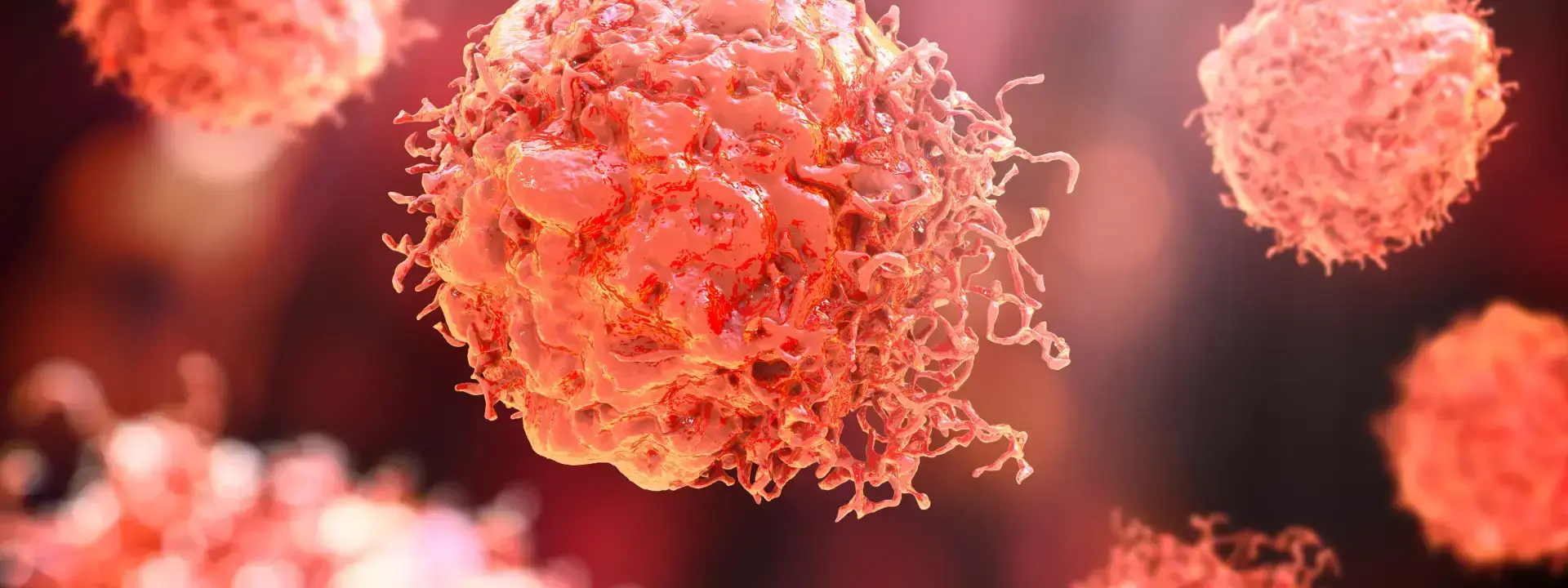
Access a comprehensive panel of well-characterized prostate cancer Cell Line Derived Xenograft (CDX) models, including LNCaP, 22RV-1, and PC-3. Fully profiled for AR status, AR-V7 variants, and PSMA expression to provide reliable, reproducible in vivo benchmarking for your targeted therapies and standard-of-care comparisons.
Prostate Cancer Model Capabilities
| Capability | PDX | Organoids | Syngeneic | EVPT |
|---|---|---|---|---|
| Retained treatment history |  |
|
- | |
| PSMA / AR characterization | |
|
- | |
| High‑throughput screening | - | |
- | |
| Immunocompetent setting | - | - | |
|
| In vivo efficacy testing | |
- | |
- |
Prostate Cancer Resources and Data

.webp)