


<img height="1" width="1" src="https://www.facebook.com/tr?id=1582471781774081&amp;ev=PageView%20%20&amp;noscript=1">
Background Image

Mass Spectrometry-Based DIA Proteomics Services

Global, Targeted, and PTM Proteomics Solutions

Crown Bioscience offers advanced, high-resolution mass spectrometry (MS)-based proteomics services, leveraging cutting-edge ion mobility and Data-Independent Acquisition (DIA) strategies. Our services provide comprehensive insights into protein expression, post-translational modifications (PTMs), and protein-protein interactions, crucial for elucidating cellular signaling pathways, discovering novel biomarkers, and accelerating drug development. We are committed to delivering highly reproducible, sensitive, and quantitative proteomic data for complex biological and clinical research challenges.

Core Proteomics Service Offerings

Our state-of-the-art proteomics platform supports a diverse range of applications, including:

Global Discovery Proteomics (DIA-based)

Large-scale, unbiased protein quantification for biomarker discovery and systems biology.

  • Label-Free DIA Proteomics
    • For large cohorts and flexible designs
  • TMT-Labeled DIA Proteomics
    • For multiplexed, high-throughput comparisons

Phosphoproteomics and PTM Analysis

Reveal regulatory protein modifications that drive signaling, immune response, and disease progression.

Phosphoproteomics

  • Ubiquitination, acetylation, glycosylation, etc.
  • Custom enrichment and analysis workflows
  • Optional integration with global proteomics or bioinformatics support

Targeted Proteomics (PRM-based)

Precision quantification of selected proteins or peptides—ideal for validation and clinical research.

  • High-resolution PRM methods
  • Custom panel design available
  • High specificity, reproducibility, and throughput


Advanced Applications of Proteomics

Our proteomics services are instrumental in addressing key questions across various research areas:

icon-global-proteomics

Global Proteomics Profiling

Comprehensive protein expression analysis of cells, tissues, and biofluids, with capabilities for comparative studies across different treatment conditions, disease states, or genetic backgrounds.

icon-disease-mechanism

Disease Mechanism Studies

In-depth investigation of protein dysregulation in various pathologies, contributing to a better understanding of disease etiology and progression.
icon-proteomics-biomarker

Proteomics Biomarker Discovery and Validation

Identification and validation of protein-based biomarkers for disease diagnosis, prognosis, and therapeutic response prediction, enabling precision medicine approaches.
icon-target-identification

Target Identification and Validation

Discovery and functional validation of novel therapeutic targets, facilitating the development of innovative therapeutic strategies.

icon-drug-moa

Drug Mechanism of Action (MoA) and Toxicity Studies

Elucidation of drug targets, off-target effects, and pathway modulation, providing mechanistic insights into drug efficacy and potential adverse events.
icon-multi-omics

Complementary Multi-Omics Analysis

Integration and correlation with genomics, transcriptomics, and metabolomics data to provide a holistic view of biological systems, supported by customized bioinformatics pipelines.

Technical Advantages: The Power of DIA Proteomics

Crown Bioscience leverages next-generation mass spectrometry platforms to overcome traditional proteomic challenges, offering distinct advantages:

reproducibility-and-data

Unparalleled Reproducibility and Data Completeness

The DIA (Data-Independent Acquisition) strategy, particularly diaPASEF, minimizes missing values and batch effects, ensuring highly reproducible quantification across large datasets. This enhances data parallelism and traceability.

dectection-icon

Superior Sensitivity and Detection Depth

Our platforms identify and quantify significantly more proteins, including low-abundance proteins, from smaller sample inputs. This is crucial for comprehensive proteome coverage and detecting subtle biological changes.

reduced-sample

Reduced Sample Requirements

Optimized workflows allow for robust proteomic analysis with lower sample quantities, making our services suitable for precious clinical samples and challenging biological matrices.

high-throughput

High Throughput for Large Cohort Studies

Our robust and automated sample preparation combined with high-speed data acquisition allows for the efficient processing of thousands of samples, crucial for statistically powered biomarker discovery and validation studies.

customized-bioinformatics

Customized Bioinformatics and Biostatistics

Dedicated bioinformatics experts provide tailored data processing, statistical analysis, and biological interpretation, transforming raw data into actionable insights relevant to your research objectives.

The Critical Role of Proteomics in Biomedical Research

Proteins are the primary executors of biological functions, and their activity levels often directly manifest disease states. While genomics provides information on gene potential, it cannot fully reflect the dynamic complexity of protein expression, localization, post-transcriptional modifications, and interactions, all of which profoundly impact cellular processes and disease pathogenesis. Mass spectrometry-based proteomics directly addresses this gap by enabling direct quantification and characterization of proteins, offering a more direct correlation to phenotypic changes. Given the inherent complexity and wide dynamic range of the proteome, advanced MS technologies are essential for achieving comprehensive coverage and accurate quantification.

Proteomics in Targeted Protein Degradation: Characterizing a New Frontier in Drug Discovery

The landscape of small molecule drug discovery has been revolutionized by the advent of induced targeted protein degradation, exemplified by PROteolysis TArgeting Chimeras (PROTACs) and the emerging class of molecular glues. These innovative modalities harness the cell's inherent ubiquitin-proteasome system (UPS) to selectively degrade pathological proteins, offering a novel therapeutic strategy. The intricate mechanisms governing PROTAC and molecular glue action necessitate the comprehensive application of advanced proteomics throughout their entire drug development lifecycle. This includes critical stages such as target identification and validation, lead compound optimization, mechanistic elucidation, and detailed preclinical characterization, providing essential insights for successful protein degrader development and targeted protein degradation strategies.

Our mass spectrometry-based proteomics services are uniquely positioned to support Targeted Protein Degradation research by providing crucial insights into:

Mechanism of Action (MoA) Elucidation

Quantitative proteomics, including 4D-DIA, can precisely measure the degradation kinetics and extent of the target protein in various cellular models following PROTAC or molecular glue treatment. This is essential for confirming on-target degradation and understanding dose-response relationships.

Biomarker Discovery and Validation

Proteomics enables the identification of dynamic protein biomarkers that correlate with PROTAC/molecular glue efficacy or resistance in preclinical models, which can then be validated for clinical translation.

Off-Target Degradation Assessment

Comprehensive global proteomics profiling can identify unintended protein degradation events, which is critical for assessing PROTAC/molecular glue selectivity and minimizing potential off-target toxicities.

Resistance Mechanism Studies

When resistance to PROTACs or molecular glues emerge, proteomics can help identify altered protein expression or pathway adaptations that contribute to the resistance phenotype, guiding the development of next-generation degraders.

Ubiquitination Analysis

While challenging, our PTM analysis capabilities can contribute to identifying specific ubiquitination sites on the target protein induced by PROTACs or molecular glues, providing molecular-level insights into the degradation pathway.

Cellular Pathway Perturbations

Beyond the direct target, global proteomics can map the broader cellular pathway perturbations induced by PROTAC/molecular glue treatment, offering a systems-level understanding of the compound's biological impact.

By providing highly sensitive, reproducible, and quantitative protein profiling capabilities, Crown Bioscience's proteomics platform accelerates the rational design, characterization, and optimization of PROTACs, contributing significantly to the development of this exciting new class of oncology therapeutics.

Our State-of-the-Art Mass Spectrometry Core Facility

Our dedicated proteomics facility is equipped with a comprehensive suite of high-performance mass spectrometers and complementary technologies, ensuring leading-edge capabilities:

ms-facility-v2

High-Resolution Mass Spectrometers

Our arsenal includes over 20 top-tier mass spectrometers, notably the Bruker timsTOF Pro and timsTOF Pro 2 series, and the Thermo Fisher Scientific Orbitrap Exploris™ 480. These instruments offer exceptional mass accuracy, resolution, and sensitivity.

Advanced Ion Mobility Separation

We integrate additional separation dimensions through ion mobility spectrometry, including Bruker Trapped Ion Mobility Spectrometry (TIMS) and Thermo Fisher Scientific FAIMS technology. This orthogonal separation provides enhanced signal-to-noise, reduces sample complexity, and improves the confidence of peptide and protein identification and quantification.

proteomics-instrument_V2

Unique diaPASEF Technology

Leveraging the proprietary diaPASEF (Data-Independent Acquisition Parallel Accumulation Serial Fragmentation) on timsTOF platforms, we achieve dramatically increased data acquisition speed and sensitivity without compromising coverage or quantitative accuracy.

Robust Chromatographic Separation

Our workflows incorporate the Evosep One system, providing highly robust and reproducible ultra-low flow chromatographic separation, critical for maximizing peptide identification and quantification in large-scale studies.

Uninterrupted High-Throughput Analysis

Our systems are optimized for continuous analysis of thousands of samples, ensuring stable performance and reduced instrument downtime, which significantly enhances the reliability of batch analyses.

Integrated Bioinformatics for Proteomics Data

Crown Bioscience provides comprehensive bioinformatics support, transforming complex raw data into meaningful biological insights:

car-icon-1

Preclinical Biomarker Discovery Workflows

Tailored analytical pipelines for identifying and prioritizing proteomic biomarkers in preclinical models.

badge-icon-1

Advanced Proteomics Data Analysis

Sophisticated statistical and pathway analysis, protein-protein interaction mapping, and functional annotation to interpret proteomic datasets.

list-icon-Jul-08-2025-08-03-07-9945-PM

Multi-Omics Data Integration

Capabilities for integrating proteomic data with genomics, transcriptomics, and other omics datasets, providing a systems-level understanding of biological processes.
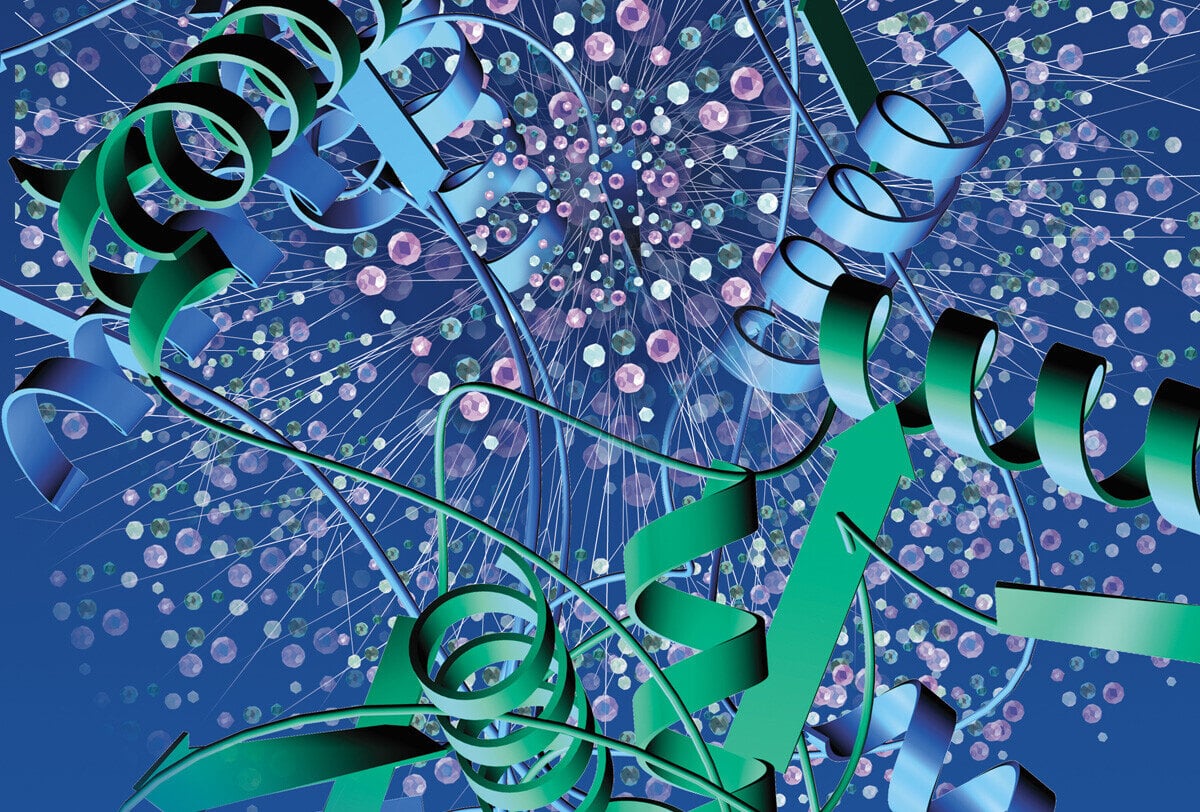
Proteomics
Service Inquiry

See how you can leverage advanced mass spectrometry for comprehensive proteomic insights. Engage with Crown Bioscience's scientific team to optimize your experimental design and unlock the full potential of our next-generation proteomics platforms for your complex biological and clinical research objectives.

Proteomics Service Inquiry


Frequently Asked Questions (FAQ)

What is proteomics and why is it important for biomedical research?


Proteomics is the large-scale study of proteins, including their structure, function, and interactions. It provides a direct readout of cellular activity and biological processes. Unlike genomics or transcriptomics, proteomics offers insights into post-translational modifications (PTMs), protein localization, and protein-protein interactions, which are crucial for understanding disease mechanisms, drug action, and identifying biomarkers that directly correlate with physiological states.

What types of mass spectrometry-based proteomics services does Crown Bioscience offer?


We specialize in next-generation mass spectrometry-based proteomics, primarily offering:

  • DIA (Data-Independent Acquisition) Quantitative Proteomics: For highly reproducible and deep proteome quantification.
  • 4D Phosphoproteomics: Dedicated analysis of phosphorylation events critical for cell signaling.
  • Post-Translational Modification (PTM) Analysis: Targeted services for various PTMs beyond phosphorylation, such as ubiquitination and glycosylation.

What types of samples can you analyze using your proteomics services?


We are equipped to analyze a wide range of biological sample types, including but not limited to:

  • Cell lines (adherent, suspension)
  • Various tissue types (fresh, frozen, FFPE - feasibility dependent)
  • Biofluids (plasma, serum, urine, CSF)
  • Organoids and 3D cultures
  • Patient-derived xenografts (PDX) and syngeneic models

What are the key advantages of Crown Bioscience's proteomics platform compared to traditional approaches?


Our platform leverages state-of-the-art technologies, offering significant advantages:

  • Enhanced Reproducibility and Completeness: DIA, particularly with diaPASEF, minimizes missing values and batch effects, ensuring highly consistent and complete datasets.
  • Superior Sensitivity and Depth: We identify and quantify more proteins, especially low-abundance proteins, from smaller sample inputs due to integrated ion mobility and optimized workflows.
  • High Throughput: Our systems are designed for rapid and stable analysis of large sample cohorts, enabling robust statistical power for discovery and validation studies.
  • Comprehensive Data: The combination of LC-MS/MS with ion mobility separation (4D proteomics) provides an additional dimension of data, improving peptide identification confidence and quantitative accuracy.

What specific mass spectrometry instruments do you utilize?


Our core facility is equipped with leading-edge instrumentation, including:

  • Bruker timsTOF Pro and timsTOF Pro 2 series: These instruments integrate Trapped Ion Mobility Spectrometry (TIMS) and support diaPASEF for 4D proteomics.
  • Thermo Fisher Scientific Orbitrap Exploris™ 480: A high-resolution, high-performance mass spectrometer for various proteomic applications.
  • Evosep One: A robust and high-throughput liquid chromatography system for excellent chromatographic separation.

How does ion mobility (4D proteomics) improve the analysis?


Ion mobility spectrometry (IMS) provides an additional separation dimension based on the shape and size of ions (collisional cross-section, CCS) in the gas phase, orthogonal to liquid chromatography (retention time) and mass spectrometry (m/z). This leads to:

  • Increased Peak Capacity: Better separation of co-eluting peptides, reducing spectral complexity.
  • Enhanced Specificity: Improved confidence in peptide identification by matching observed CCS values.
  • Improved Quantification: Reduced ion interference, leading to more accurate quantification, particularly for complex samples and low-abundance proteins.

Do you provide bioinformatics support for proteomics data analysis?


Yes, we offer comprehensive and customized bioinformatics support. Our experts provide:

  • Raw data processing and quality control.
  • Protein identification and quantification.
  • Statistical analysis for differential protein expression.
  • Pathway analysis and functional annotation.
  • Multi-omics data integration and biological interpretation to deliver actionable insights.

Can your services support large-scale biomarker discovery and validation studies?


Absolutely. Our platforms are optimized for high-throughput processing and robust data generation, making them highly suitable for large sample cohort studies, which are often required for statistically powered biomarker discovery, validation, and clinical translation.

What is the typical turnaround time for proteomics projects?


Turnaround times can vary depending on the project scope, sample complexity, and the specific services requested. We work closely with our clients to establish realistic timelines and communicate progress regularly. Please contact us to discuss your specific project and receive a detailed timeline estimate.

How do I initiate a proteomics project with Crown Bioscience?


To initiate a project, please fill out the form above or contact our scientific team directly. We will schedule a consultation to discuss your research objectives, sample requirements, and help design the optimal proteomic strategy for your needs.

Related Resources

protein-structure-artwork-for-use-in-proteomics-1

Flyer

Proteomics Services

mouse-stromal-cells

Publication

Mouse Stromal Cells Confound Proteomic Characterization and Quantification of Xenograft Models

mass-spectrometry

Factsheet

Next Generation Ion Mobility Mass Spectrometry-based Proteomics Services

card-ft-img-1

Poster

Systematic Evaluation of Label-Free Protein Quantification Pipelines (DDA vs DIA)