
Detect Rare Cells with Our Multiparameter Imaging Platform
The Challenge
Rare cells like CTCs and CAR-T therapies often exist at frequencies below one in a million- invisible to conventional flow cytometry and PCR. That means real pharmacodynamic signals can go undetected in your in vivo studies.
The Crown Bioscience Solution
Our multiparameter imaging platform detects rare cells down to 2 cells with 90% recovery, across virtually any sample type from your PDX, CDX, syngeneic, or humanized models, with isolated cells ready for downstream sequencing, qPCR, or culture.
What Is Rare Cell Analysis?
Rare cell analysis is the detection, enumeration, and isolation of low-frequency cell populations, often as few as one cell in a million, from complex biological samples such as blood, tissue, or bone marrow. In preclinical oncology research, these cells, including circulating tumor cells (CTCs), disseminated tumor cells, and adoptively transferred cell therapy products, provide critical insight into tumor biology, mechanism of action, and pharmacodynamic response, but they fall below the detection limits of conventional flow cytometry and PCR-based methods.
Applications
- Circulating tumor cell (CTC) enumeration — track tumor burden and treatment response in PDX, CDX, and syngeneic mouse models by counting CTCs or cells expressing specific biomarkers of response
- Cell therapy pharmacology and persistence — quantify expansion and persistence of CAR-T, TCR-T, and CAR-NK cells in blood or tissue across your in vivo study timeline
- Rare subpopulation and biomarker-positive cell detection — identify low-frequency, biomarker-defined cell populations relevant to mechanism of action and disease progression in your model system
- Single-cell characterization — isolate individual rare cells or tissue micro-regions from in-life or terminal samples for downstream molecular profiling
Maximize Therapeutic Effect by Monitoring Disease Progression
Extend agent effect by monitoring rare cells of interest. Use our rare cell analysis platform with up to six imaging channels to understand:
- Prognosis and response to therapy by counting human or mouse circulating tumor cells (CTCs) or cells expressing biomarkers of response
- Persistence of cell therapies such as CAR-T cells, TCR-T cells, CAR-NK cells, etc.
- Single cell characteristics
Crown Bioscience Advantage
Current flow cytometry and real-time PCR methods lack the sensitivity required to detect rare cells. Our rare cell analyzer and picker with multi-parameter imaging and analysis tools enables you to:
- Enhance the quality of your preclinical and clinical data by improving quantification and visualization of rare cells over current methods, with detection sensitivity of down to 2 cells with 90% recovery
- Understand therapeutic mechanism of action and disease progression by improving rare cell differentiation accuracy at low densities
- Take advantage of in-life and terminal samples by utilizing various sample types including suspension, blood smears, fine needle aspirates, and FFPE
- Gain deeper biological insight by isolating single cells and tissue micro-regions for further characterization via single cell sequencing, qRT-PCR, RNAseq, ICC, FISH, and cell culture
How It Works:
-
Sample submission — suspension samples, blood smears, fine needle aspirates, or FFPE tissue
-
Multiparameter imaging — up to six fluorescence channels scan the sample for target cell populations
-
Detection and enumeration — rare cells are identified and quantified with sensitivity down to 2 cells and 90% recovery
-
Isolation — individual cells or micro-regions of interest are picked for downstream use
-
Downstream characterization — isolated material supports single-cell sequencing, qRT-PCR, RNA-seq, ICC, FISH, or cell culture
Contact Us today to get started.
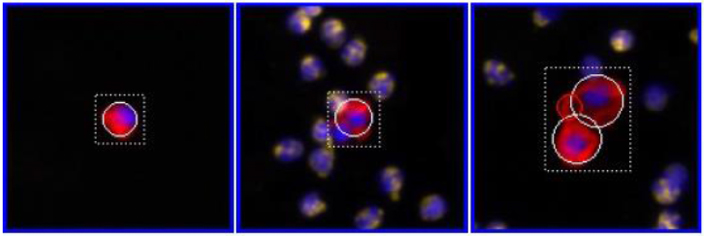
Figure 1 CTC in Mouse Blood Sample of Lung Cancer PDX Model
Detection by DAPI, CD45, and CK
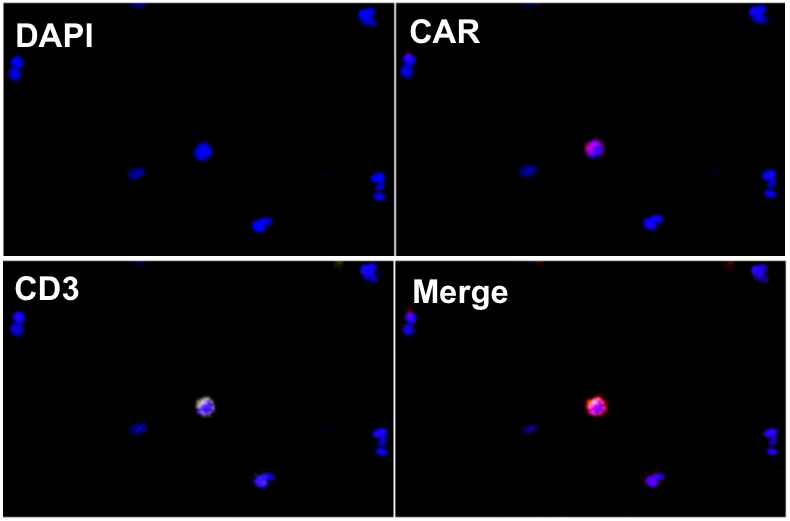
Figure 2 CD19 CAR-T Cells in DLBCL Patient Blood 9 Days Post-Injection
